# Restorative Dentistry
Dental Implants
The Gold Standard for Tooth Replacement
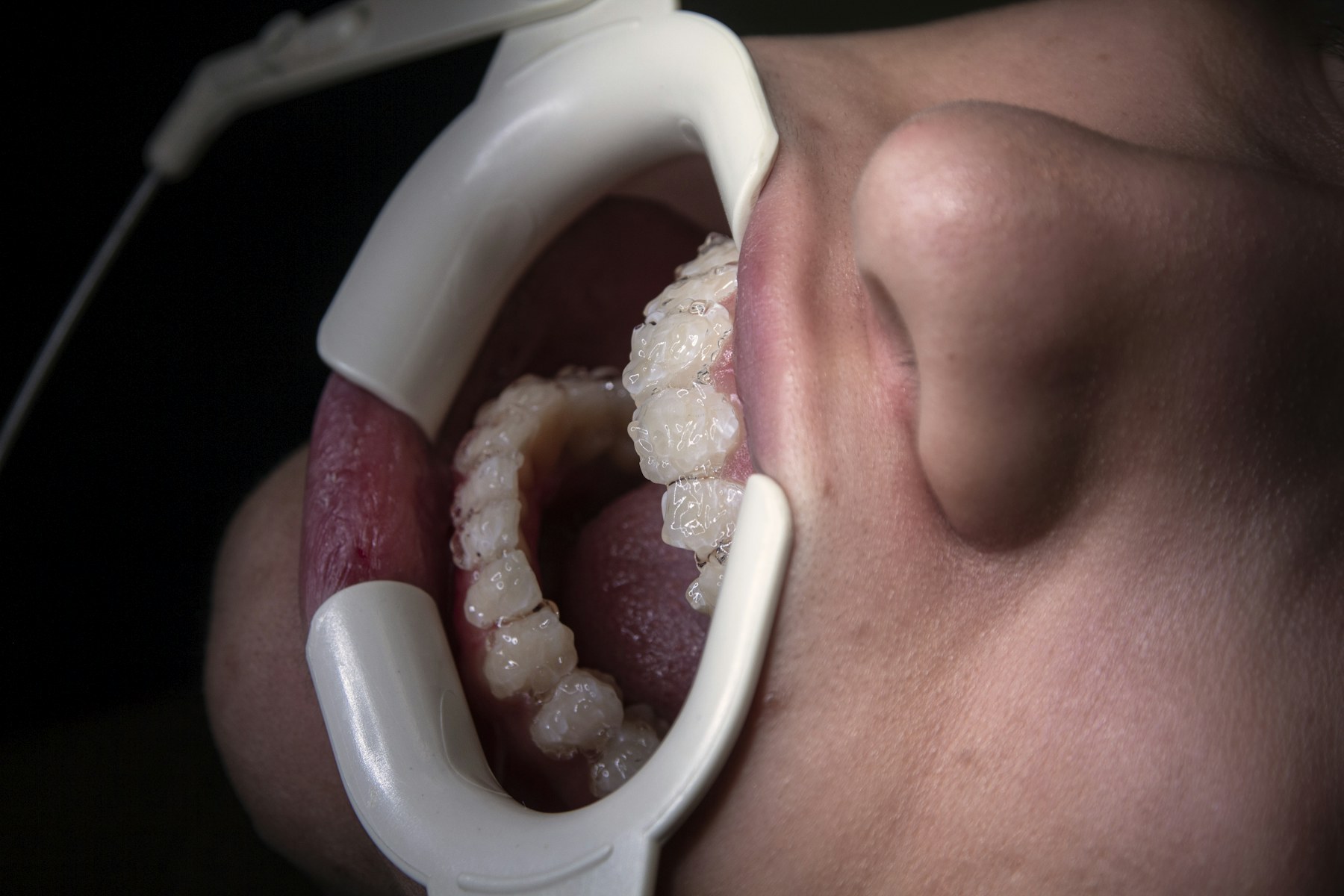
Dental implants provide a permanent, natural-looking way to replace missing teeth. Designed to function like tooth roots, implants can support crowns, bridges, or dentures while helping restore comfort, confidence, and chewing function.
Replace Missing Teeth with Confidence
Missing teeth can affect how you eat, speak, and smile. Dental implants are planned to replace missing tooth roots and create a stable foundation for restorations that are designed to look, feel, and function naturally.
Benefits of Dental Implants
- Natural-looking tooth replacement
- Improved chewing function
- Long-term support for crowns, bridges, or dentures
- Helps preserve jawbone when clinically appropriate
- Helps prevent nearby teeth from shifting into open spaces
Who Is a Candidate?
Many healthy adults with adequate bone support may be candidates for implant treatment. During your consultation, our team evaluates your oral health, bone structure, bite, medical history, and treatment goals.
What to Expect
Implant planning typically begins with a comprehensive exam and diagnostic imaging. If an implant is appropriate, the plan may include placement, healing time, and a final restoration such as a crown, bridge, or denture.
Recovery and Long-Term Care
Healing and maintenance vary by patient and by the type of restoration. Your dentist will provide personalized instructions for cleaning, follow-up visits, and protecting the implant-supported restoration.
Got Questions? We’ve Got Answers
How do dental implants replace missing teeth?
A dental implant is designed to replace the missing tooth root and support a restoration such as a crown, bridge, or denture. Your dentist will evaluate your bone support, oral health, and goals before recommending a plan.
Am I a candidate for dental implants?
Many healthy adults may be candidates, but implant planning depends on gum health, bone volume, medical history, and the location of the missing tooth. A consultation and imaging help determine whether implants are appropriate.
Will I need bone grafting before an implant?
Some patients need bone grafting when the jawbone needs additional support before implant placement. This is evaluated with an exam and imaging, and it is only recommended when it supports a healthier long-term plan.
How do I care for dental implants?
Implants need consistent brushing, cleaning between teeth, and routine dental visits. Your dentist will give personalized instructions based on the restoration and your gum health.




Ready when you are
Ready to talk about Dental Implants?
Schedule a consultation with Excellence in Dentistry to learn whether dental implants is the right next step for your smile, comfort, and oral health.